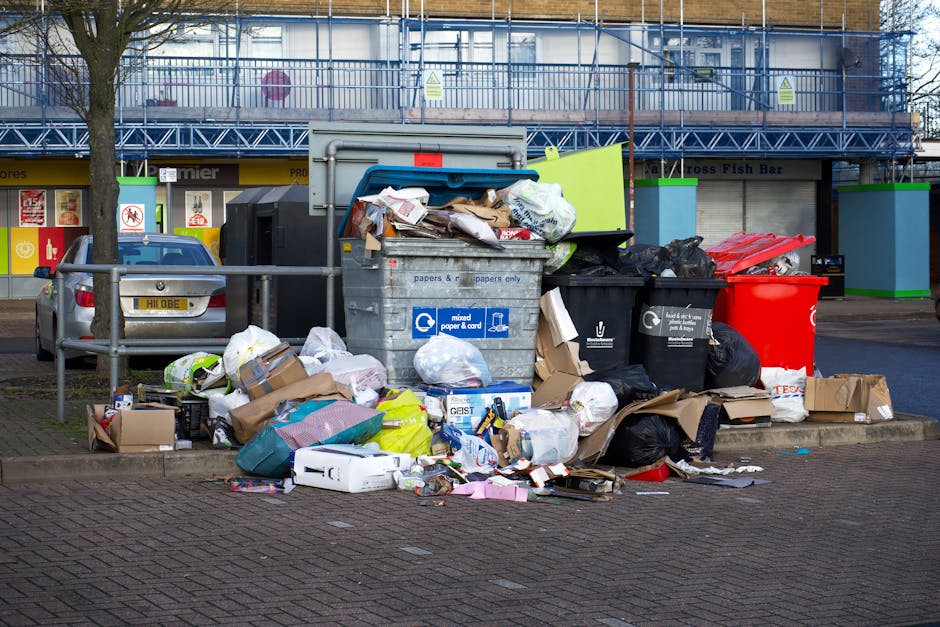
Avoid Hidden Rubbish Charges in Hammersmith Council Area

If you have ever booked rubbish removal and then watched the final bill creep up, you will know how frustrating it feels. A quote looks tidy at first, then suddenly there are extra fees for access, loading time, heavy items, waiting, or "special handling". In the Hammersmith Council Area, that can turn a simple clear-out into a pricey headache. This guide explains how to avoid hidden rubbish charges in Hammersmith Council Area, what to check before you book, and how to compare services with confidence. It is practical, local, and written for anyone who wants a clean, fair price without the nasty surprises. Let's face it, nobody enjoys paying more than they expected for bin bags and a van.
Why Avoid Hidden Rubbish Charges in Hammersmith Council Area Matters
Hidden charges are not just annoying. They distort the real cost of disposal, make it harder to compare providers, and can leave you scrambling when the driver arrives. In a busy part of West London, where access can be tight and parking can be tricky, pricing should be clear before anyone lifts a sack. If it is not, the extra cost tends to show up at the worst possible moment.
For households, landlords, offices, builders, and local businesses, rubbish removal often happens under time pressure. A flat needs clearing before an inventory check. A shop has packaging and shelving to remove before a refit. A landlord needs a garage cleared between tenancies. When you are in a rush, you are more likely to accept a quote without reading the small print. That is exactly where surprise fees sneak in.
There is also a trust issue. Clear pricing is often a sign that a company knows its process, understands what it can move safely, and is not relying on add-ons to make the job worthwhile. If a provider is upfront about access issues, item type, lifting needs, and disposal costs, you are usually starting from a better place. You can see that kind of clarity reflected in pages like pricing and quotes and terms and conditions, which are worth checking before you commit.
Practical takeaway: if a rubbish removal quote is vague, treat it as incomplete, not competitive. A cheap headline price can become expensive very quickly once extras are added.
How Avoid Hidden Rubbish Charges in Hammersmith Council Area Works
The basic idea is simple: get a quote that reflects the real job, not a best-case version of it. To do that, the provider needs enough information to price the collection properly. That usually means the type of waste, approximate volume, whether it is mixed, how easy it is to access, and whether the job includes items that need special handling.
Hidden charges tend to appear in a few familiar ways. Some are legitimate if they were clearly explained in advance. Others are just poor quoting. The difference matters. If a company charges more because you underestimated the amount of waste, that is one thing. If the company never explained what counted as a "standard load", that is a different story altogether.
In real life, a clear quote usually works like this: you describe the waste, share a photo or list, confirm access details, and receive a price that includes the likely labour, transport, and disposal element. If the team later discovers an item that was not disclosed, they may adjust the price. That can be fair. What is not fair is springing a mystery charge after the loading has already started.
For certain clearances, it helps to use service pages that match the job closely. For example, house clearance, flat clearance, office clearance, and builders waste clearance each involve different assumptions about weight, access, and sorting. That is why a one-size-fits-all quote often falls apart.
Key Benefits and Practical Advantages
Getting pricing right at the start saves money, but it also saves time and stress. That might sound obvious, yet the knock-on effect is bigger than most people expect.
- Better budget control: you can plan the real cost instead of guessing.
- Cleaner comparisons: you can compare like with like across providers.
- Fewer delays: no awkward phone calls halfway through the job asking about extra payment.
- Less disruption: especially useful for busy homes, offices, and trade jobs.
- More confidence: you know what is included and what is not.
- Improved safety: proper pricing often means proper handling, especially for bulky or awkward items.
There is another benefit people often miss: a transparent quote tends to improve communication overall. When a provider is specific about the waste stream and the process, it becomes easier to ask sensible questions. That is useful if you are disposing of a mix of items, such as old furniture, broken appliances, garden waste, or confidential materials.
If you are comparing broader disposal options, it may also help to look at waste removal alongside item-specific services such as furniture clearance, garden clearance, or garage clearance. Matching the service to the job often keeps pricing more honest. Funny how that works.
Who This Is For and When It Makes Sense
This is not just for big clear-outs. Hidden rubbish charges can affect all sorts of everyday jobs, from a single sofa collection to a full property clearance. In our experience, the people most likely to benefit from a more careful pricing check are those who are short on time or dealing with mixed waste.
You will probably want this approach if you are:
- moving out of a flat and need to clear items quickly
- handling a probate or inherited property clearance
- renovating and dealing with rubble, timber, and packaging
- closing or refurbishing an office
- clearing a loft, garage, or shed that has built up over years
- disposing of bulky furniture or white goods
- running a business that generates regular waste
It also makes sense if you live in an area where access can be awkward. A narrow street, a top-floor flat, limited parking, or a busy loading bay can all influence the real job. If you do not mention those details early, the quote may not reflect the true amount of labour involved. That is not the provider's fault every time, of course, but it is still your problem when the bill changes.
For a domestic clear-out, services such as home clearance, loft clearance, or house clearance may be more appropriate than a generic "rubbish collection" label. Same waste, different job. And the price structure can be different too.
Step-by-Step Guidance
If you want to avoid surprise charges, the best approach is to be organised before collection day. Here is a straightforward process that works well in practice.
- List everything that needs removing. Be specific. "Old furniture" is less useful than "two wardrobes, one sofa, one mattress, four bags of mixed household waste".
- Separate special items. Appliances, fridges, hazardous items, and confidential paperwork can require different handling.
- Check access conditions. Note stairs, lifts, narrow corridors, parking restrictions, loading distance, and whether the team will need help with permits or building entry.
- Ask what the quote includes. Labour, transport, disposal, congestion, minimum charges, and VAT should all be clear. If anything is missing, ask directly.
- Confirm how price changes are handled. A good provider will explain what happens if the load is larger than expected or if an item is more complex than described.
- Keep written confirmation. Email or booking confirmation is helpful if there is a disagreement later.
- Be present, if possible. It is easier to resolve questions on the spot than after the van has driven off into the grey London traffic.
A useful habit is to send photos. One quick image can clarify a lot: pile size, item type, and whether the waste is mixed or separated. It is not glamorous, but it works. If the job involves specialist items, such as an old fridge, damaged sofa, or anything potentially hazardous, mention it early and use a relevant service like fridge and appliance removal, mattress and sofa disposal, or hazardous waste disposal.
Expert Tips for Better Results
Here are the small things that often make the biggest difference. They are not dramatic, just effective.
- Ask for an all-in price: not "from" pricing, not a teaser rate, not a rough estimate if the job is already clear.
- Describe the waste honestly: mixed waste can cost more than clean, separated waste, and that is normal.
- Check item restrictions: some materials need specialist handling, so do not assume every item can go in one load.
- Use the right service page: a focused job is easier to price correctly than a vague one.
- Read the booking terms: especially cancellation, waiting time, and what happens if access is blocked.
- Think about sorting before collection: separating reusable or recyclable items may reduce confusion and improve value.
One old habit still saves people money: take five minutes before booking and walk the space with a notebook. Sounds slightly old-school, I know. But you notice things then. The broken chest of drawers in the corner. The pile of damp cardboard behind the boiler. The rusty garden chairs you had mentally filed under "later". Later usually costs more.
If the job is commercial, see whether business waste removal or office clearance better matches your needs. Businesses often run into unexpected fees because waste is mixed, access windows are short, or the collection needs to fit around staff and customers. Planning ahead really does help.
Common Mistakes to Avoid
The most common mistake is treating all rubbish removal quotes as roughly the same. They are not. Two prices can look similar on the surface while covering very different scopes of work.
Other mistakes to avoid include:
- Under-describing the load: leaving out bulky items or extra bags almost always causes trouble later.
- Ignoring access: a third-floor walk-up with no lift is not the same as a ground-floor garage clear-out.
- Assuming appliance disposal is standard: fridges and other white goods often need separate handling.
- Not asking about restricted waste: some materials cannot be mixed in with general rubbish.
- Booking solely on headline price: cheap can be fine, until the add-ons appear.
- Skipping the terms: boring, yes. Useful, absolutely.
Another quiet mistake is forgetting that "swept clean" and "fully cleared" are not always the same thing. If you want a room emptied and left tidy, say so. If you need a deeper clean-up after a builders job, make that clear as well. For construction-related jobs, builders waste clearance is more suitable than a generic collection.
Tools, Resources and Recommendations
You do not need fancy software to keep rubbish charges under control. A few simple tools are enough:
- Phone camera: take wide shots and close-ups of the waste.
- Short inventory note: write item counts and types before you call.
- Measuring tape: useful for bulky items and tight spaces.
- Email or booking confirmation: keep the agreed scope in writing.
- Questions checklist: ask about labour, disposal, waiting time, access, and restricted waste.
On the website side, a few pages are particularly helpful when you want to understand how a provider works before booking. About us can help you gauge who you are dealing with, while payment and security gives a better picture of how transactions are handled. If sustainability matters to you, the page on recycling and sustainability is also worth a look.
For operational detail, two more pages often answer common worries before they become problems: what can go in a skip and insurance and safety. Even if you are not hiring a skip, the guidance can help you understand what counts as acceptable waste and why safety standards matter.
Law, Compliance, Standards, or Best Practice
When rubbish is collected in the UK, there is more going on than just moving stuff from A to B. Waste must be handled responsibly, and businesses should be able to explain how they sort, move, and dispose of different materials. That is one reason why transparent pricing and clear descriptions matter so much. If a collection involves items that need special treatment, the provider should be honest about it rather than burying the detail in the final invoice.
For customers, the simplest best practice is to be accurate about what you are handing over. If waste includes potentially hazardous items, confidential documents, or anything that might pose a handling risk, mention it upfront. For confidential paperwork, a dedicated option such as confidential shredding is more appropriate than a general waste load.
Providers should also be clear about their policies. If you are checking a company's approach to complaints, service limits, or data handling, pages such as complaints procedure, privacy policy, and cookie policy help show whether they are operating in a tidy, transparent way. That does not guarantee a perfect experience, obviously, but it is a good sign.
If you are dealing with business waste, it is also sensible to work with services that take safety and responsibility seriously. The pages on health and safety policy, modern slavery statement, and recycling and sustainability are all useful indicators of how a company frames its wider responsibilities.
Options, Methods, or Comparison Table
Different types of rubbish jobs suit different approaches. A comparison can help you choose the method that is least likely to spring a surprise charge later.
| Method | Best for | Pricing clarity | Risk of hidden charges |
|---|---|---|---|
| General rubbish removal | Mixed household or business waste | Good if photos and item lists are provided | Medium if details are vague |
| Item-specific clearance | Furniture, appliances, mattresses, sofas | Usually clearer because the job is narrower | Lower when item type is confirmed early |
| Property clearance | Houses, flats, lofts, garages, offices | Depends heavily on access and volume | Medium to high if access is not explained |
| Specialist waste handling | Hazardous or regulated materials | Should be explicit and separate | Lower when the provider is properly informed |
In practice, the narrower the job description, the easier it is to price accurately. That is why item-led pages like furniture disposal and mattress and sofa disposal can be useful for one-off removals. If you are clearing a whole property, a broader service such as home clearance may be the cleaner fit.
Case Study or Real-World Example
A small landlord in Hammersmith needed a one-bedroom flat cleared between tenancies. The first quote looked attractive. It covered "rubbish removal" and sounded quick. But once the job was described properly, the picture changed: there were two flights of stairs, an old wardrobe, a broken bed frame, several bags of mixed waste, and a fridge that needed separate handling.
Because the details were shared up front the second time, the revised quote was more realistic. No drama, no last-minute add-ons, no awkward bartering on the pavement. The team arrived, collected the items in one visit, and the landlord could move ahead with cleaning and re-letting without losing half a day. Simple enough, but that is the point. A clear description saved money and nerves.
Another typical example is a family clearing out a garage after a long, rainy winter. The temptation is to say "just a load of junk". Then you remember the old bike frame, paint tins, gardening chemicals, and a sofa stored at the back. Suddenly the job is not one job. It is several. Once identified properly, those items can be handled the right way, and the final cost makes much more sense.
Practical Checklist
Use this checklist before you book anything. It takes a few minutes and can save a lot of bother.
- Have I listed every item that needs removing?
- Have I noted whether the waste is mixed, bulky, heavy, or specialist?
- Have I explained access details such as stairs, lifts, parking, or distance from the vehicle?
- Have I asked what the quote includes?
- Have I checked for minimum charges, waiting time, and any extra labour fees?
- Have I identified items that need a specialist service?
- Have I kept the quote or confirmation in writing?
- Have I chosen the most relevant service page for the job?
- Have I asked about safety, insurance, and disposal standards?
- Am I comfortable that the price reflects the actual job, not just an attractive headline number?
If you can tick those boxes, you are in a much stronger position. Not perfect - no booking process ever is - but much stronger.
Conclusion
The easiest way to avoid hidden rubbish charges in Hammersmith Council Area is to treat the quote like a working agreement, not a rough guess. Be specific about what needs removing, explain access clearly, ask what is included, and choose a service that matches the actual job. That one bit of extra effort upfront usually pays for itself.
Good rubbish removal should feel straightforward. You book, the team arrives, the waste goes, and the bill matches what you expected. If it does not, something in the process was left vague. The good news? Vague is fixable. And once you know what to ask, you are already ahead of most people.
If you are comparing providers, reviewing service details, or planning a clear-out soon, taking a careful look at the company's pricing, safety, and service pages can make the whole experience smoother. Small details matter here. They really do.
Get a free quote today and see how much you can save.
Frequently Asked Questions
What counts as a hidden rubbish charge?
A hidden rubbish charge is any extra fee that was not made clear before booking, such as unexpected labour costs, access fees, waiting charges, or disposal add-ons.
How do I stop rubbish removal prices from changing on the day?
Give a detailed description of the waste, mention access issues, share photos if possible, and ask for an all-in quote before you confirm the booking.
Are cheap rubbish removal quotes usually risky?
Not always, but very low headline prices can be a warning sign if the company is vague about what is included. The real cost may only appear later.
Should I separate recyclable items before collection?
It can help. Separating items makes the job clearer and can reduce confusion, especially when dealing with mixed household or office waste.
Do fridges, mattresses, and sofas need special handling?
Often, yes. These items may require dedicated collection methods, so it is best to mention them early and use the relevant service if available.
What information should I give when requesting a quote?
Provide the item list, approximate volume, access details, floor level, parking conditions, and whether the waste includes anything unusual or specialist.
Is written confirmation really necessary?
Yes. A written quote or booking confirmation helps prevent misunderstandings and gives you something to refer back to if questions come up later.
What if the team arrives and says the job is bigger than expected?
That can happen if the original description was incomplete. A fair provider should explain the difference clearly before doing more work.
Which service is best for a full property clear-out?
It depends on the property type. House clearance, flat clearance, home clearance, loft clearance, or office clearance may be more appropriate than a general rubbish collection.
How can I tell if a provider is transparent?
Look for clear pricing information, accessible terms, safety details, and service pages that explain what is included. Vague wording is often a warning sign.
Can businesses avoid hidden waste costs too?
Absolutely. Businesses often face extra charges when waste is mixed, access is restricted, or the job is not described carefully. Good planning helps a lot.
What should I do if I think I have been overcharged?
Check the written quote, compare it to the service delivered, and use the provider's complaints process if the final bill does not match what was agreed.